Executive, team and dayretreats at Shakti Ranch

Leadership development for companies, Malibu

Practicing leadership in a natural environment, with horses as partners, is the most effective way to build leadership skills. Executive teams come to fifteen acres and spend the day on the ground alongside a herd of horses who are unimpressed by titles, status, or carefully crafted personas, and who respond instead to presence, clarity, and intention.

Arrange an introduction
Equine Therapy Malibu, established 2015

Equine-Assisted Learning
for your team

  1. You tell usThe form below. A few lines is enough.
  2. We callThirty minutes, within two days.
  3. A proposalIn writing, within a week of the call.
For
Your organization
Date

For companies

Tell us about your team and what the day needs to do. We will read it and write back with a proposal.

What you have in mind:

How a program is built

Led by Rose Mary Riggs, a change management analyst at Accenture advising Fortune 500 companies before she spent the next two decades working with horses

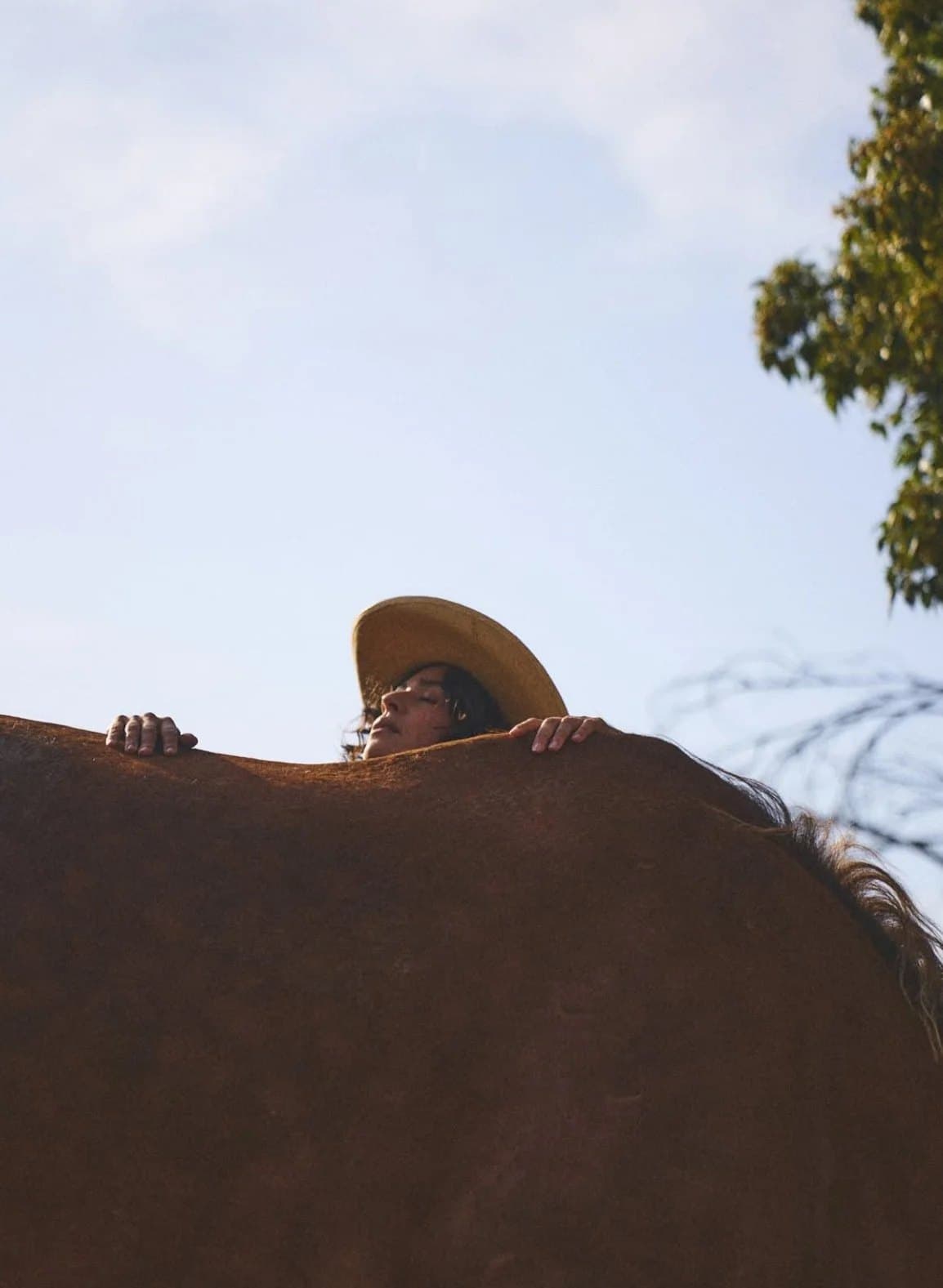
Rose Mary Riggs looking over the back of a chestnut horse, the sky behind her

Who runs it

Before the ranch, the boardroom

Rose Mary’s approach is grounded in both organizational experience as well as a deep understanding of horses. Prior to founding Shakti Ranch, she spent years as a change management analyst at Accenture, advising Fortune 500 companies. That corporate background, paired with her experience working with diverse private clients and her lifelong experience as an equestrian, shapes Shakti Ranch’s unique approach to learning, leadership, and connection.

She works as the bridge between participants and the herd, facilitating interactions and interpreting the herd’s responses in ways that translate directly to how people lead, communicate, and respond under pressure.

That early work left its mark, and it’s still there in how Rose Mary thinks about teams today: that true teamwork begins much deeper than words can reach.

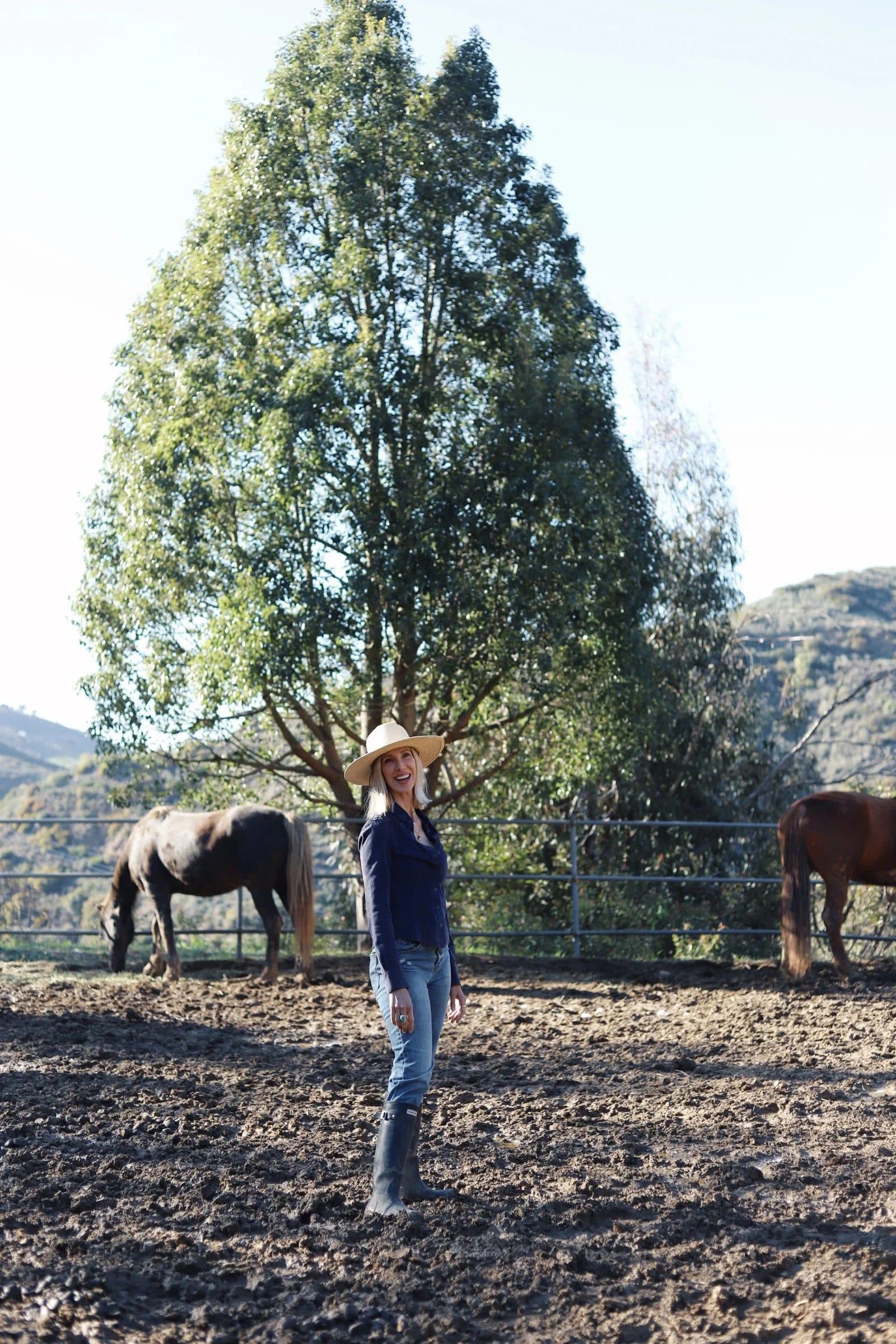
Rose Mary walking out across the paddock towards two horses under a tree
  • AccentureChange management analyst, advising Fortune 500 companies.
  • Save a Warrior™Launched and ran the equine program there for several years, working with military veterans and first responders.
  • Nearly two decadesThousands of people, and a wide range of communities.
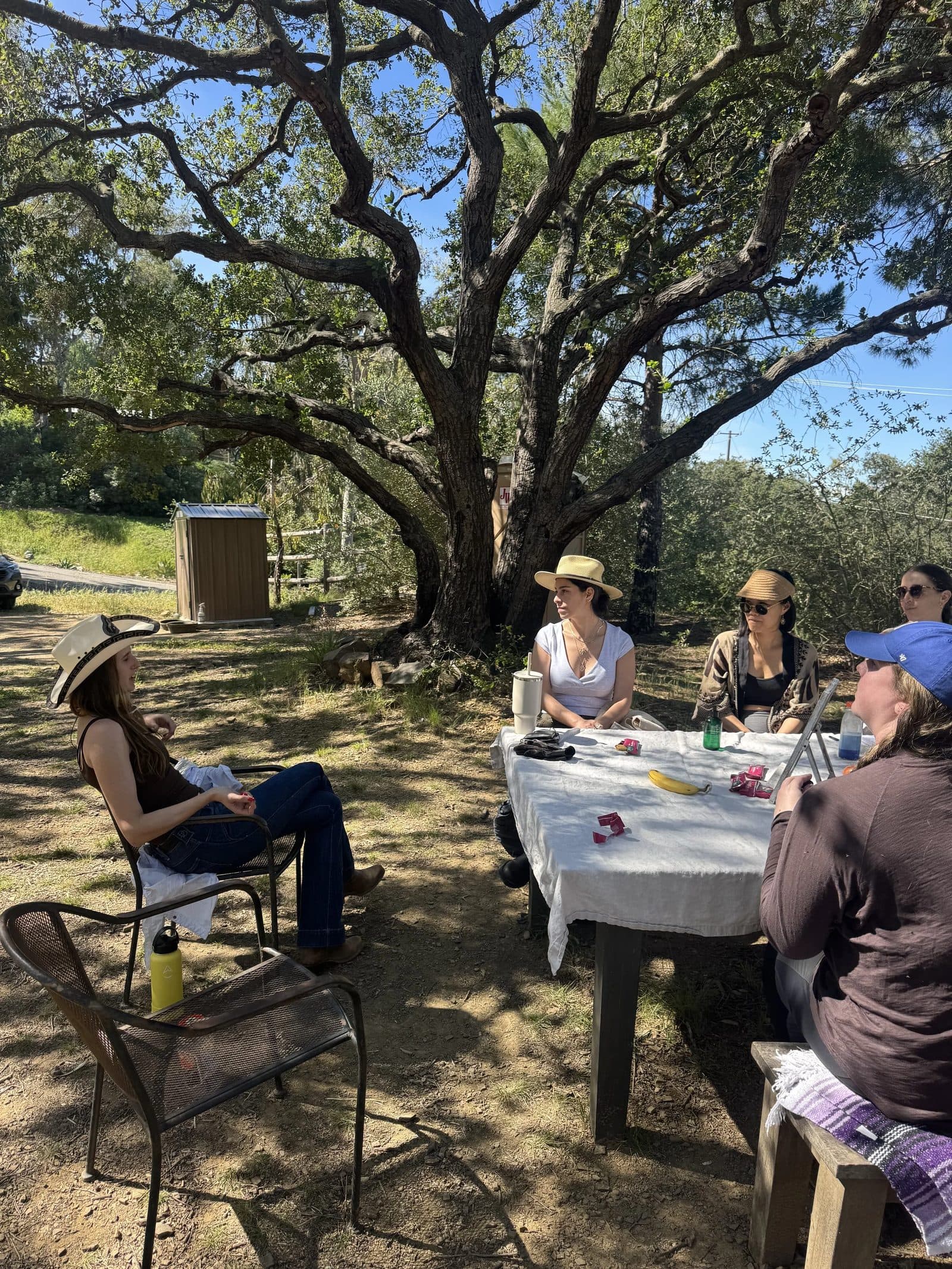
A group around a table in the shade of the oak, talking, the hillside behind them

Why here

Forget trust falls and leadership slogans

Most leadership training happens in a room where everybody is performing, which is a fair part of why so little of it survives the walk back to the office. The patterns that shape how a person leads under pressure do not stay at home, and a framework on a slide does not reach them.

Horses aren’t fooled by the performance of calm or confidence. They respond to posture, breath, and energy before a single word is exchanged, and because they hold zero judgement, what comes back is honest. Group exercises with the horses reveal places where clear leadership and trust break down inside a team in minutes instead of months.

That is why executive teams, elite performers, clinicians, and athletes come here: not for another seminar, but for an embodied experience with lasting results that can’t be replicated in a conference room.
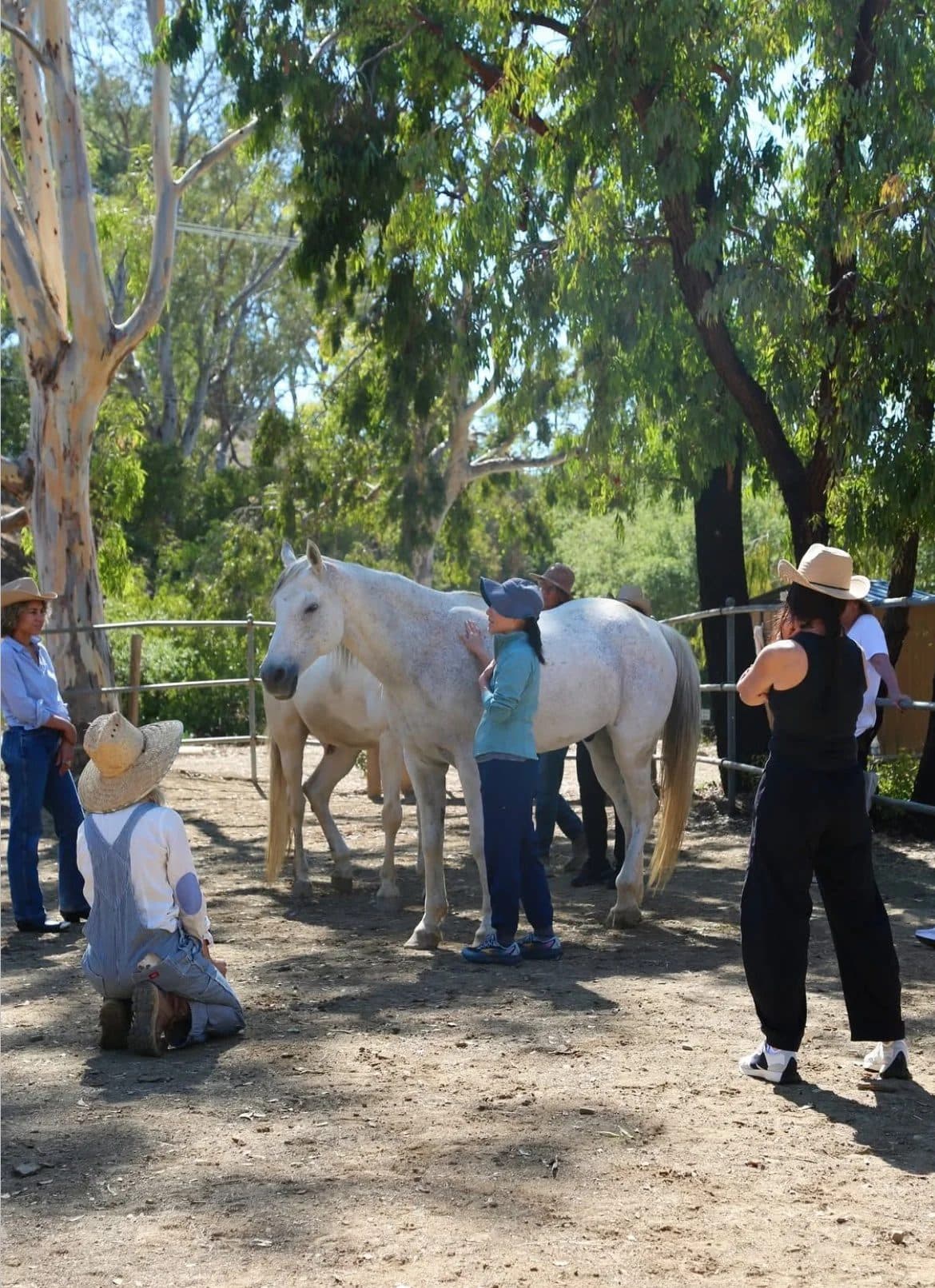
A group working on the ground with the white horses under the eucalyptus
  • Nobody performs for a horse

    An outside consultant saying that somebody takes up the whole room is an opinion, and an opinion can be set aside. A colleague saying it is a risk almost nobody takes. A horse stepping away is neither of those, and everybody at the rail sees it at the same moment.

  • The room is fifteen acres

    Not a function suite forty minutes from the office your team is trying to think differently about. Fifteen acres in the Santa Monica Mountains, with the herd loose in the paddock and the canyon on every side.

  • It is built from your call

    What your team works on in the pen is the thing you described on the phone, which is why the day lands on the decision that keeps getting remade rather than on a general exercise about trust.

What the horses guide us towards

Mirroring is the word for something horses do without being asked. A horse responds to the state a person is actually in rather than to what they say or intend, so the way it behaves near somebody becomes information about them. Arrive braced and holding it together, and the horse answers the bracing.

What makes it useful here is that the herd does not respond uniformly. Each of these four is tuned to something different, and what they show you arrives through their own temperament.

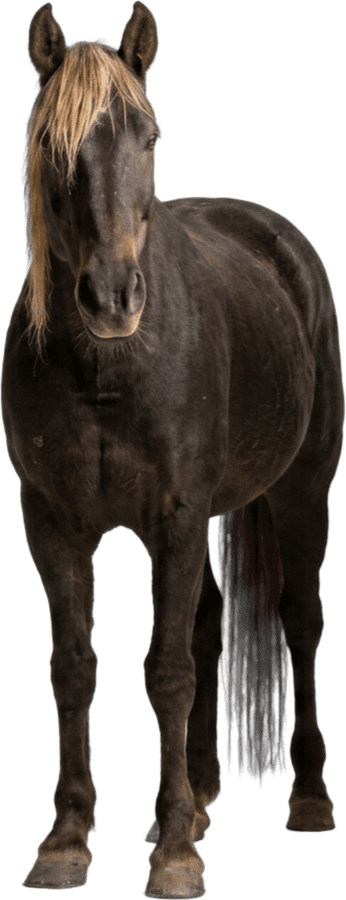
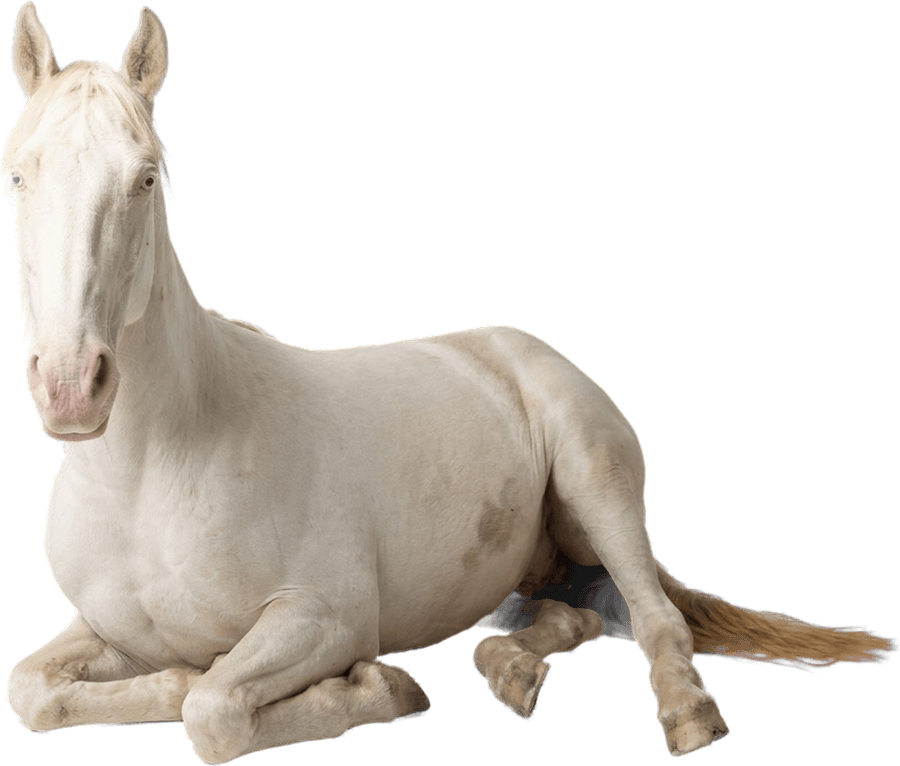
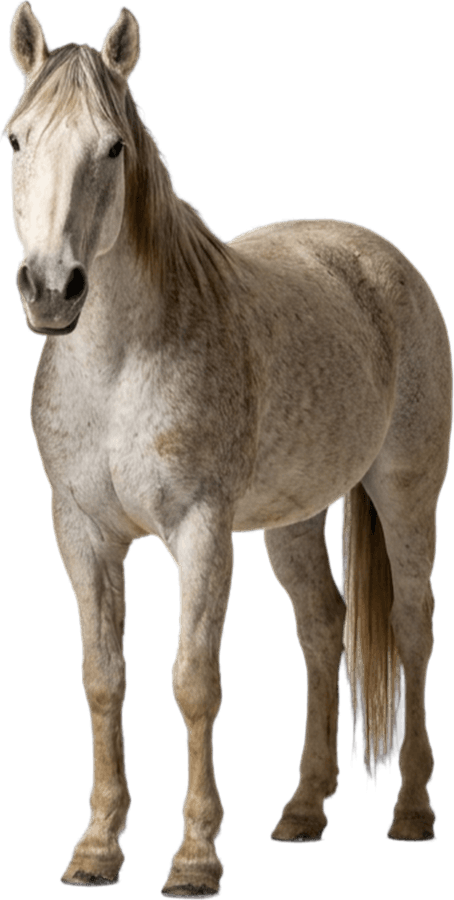
  • Sophie, the lead mareSophieThe Lead MareTakes in someone's anxious or unsettled energy and hands it back grounded and calm.
  • Cash, the straight shooterCashThe Straight ShooterIdentifies exactly what a person or a group is avoiding, or where they lack boundaries.
  • Frankie, the icebreakerFrankieThe IcebreakerThe fastest of the herd to approach someone new, and the usual starting point for anyone nervous about horses at all.
  • Abe, the steady oneAbeThe Steady OneA steady, unshakeable presence that a group arriving already running hot can borrow from.

Which of them comes over, and how, is part of the work. Meet the herd.

Who your people will meet

The people in the pen with your team

A licensed psychotherapist, a somatic practitioner with a PhD, a working facilitator, and the founder who built the program. Every one of them is on the ground with the herd, not behind a lectern.

  • Where does this lead?

    “So many of my students have gone on to either create their own business, or become a staff member here at Equine Therapy Malibu.”

    Rose Mary Riggs

    Founder & Owner. Two decades with horses in these mountains, after a career in change management at Accenture.

  • Both levels, from the inside

    “At the end of my certification I truly felt confident and competent running groups on my own.”

    Dr. Emma Barnosky, PhD, SEP

    Lead facilitator, trainer and program director. Certified here first.

  • What was it actually like?

    “She champions each one of us to find your own gifts, your own voice, and your own way of bringing this work out into the world.”

    Eloisa Ribeiro

    Equine Assisted Learning Facilitator. Certified here in 2025, now on staff.

  • Why a clinician does this

    She specializes in grief, PTSD and complex trauma, and she brought that practice out here.

    Angela Schellenberg, MA, LMHC, LPC, LPCC

    Co-leads Level 1 with Rose Mary. Her Healing with Horses retreat at the ranch was recognized by National Geographic.

What it reaches

What a team takes back

What comes up in the pen is usually the same thing that comes up in the meeting, so it tends to travel back to the office with the people who found it.

Nonverbal Communication

Horses aren’t fooled by the performance of calm or confidence. Instead, they respond to posture, breath, and energy before a single word is exchanged, surfacing communication and behavioral patterns that otherwise go unnoticed.

Calm Under Pressure

Through co-regulation, attunement, and realtime feedback, horses help participants find an authentic steadiness that translates back to high-pressure environments like boardrooms, client sessions, and stressful life events.

Trust & Team Dynamics

Group exercises with the horses reveal places where clear leadership and trust break down inside a team in minutes instead of months. Time with the horses allows participants to get real-time feedback about their patterns in a playful but real way.

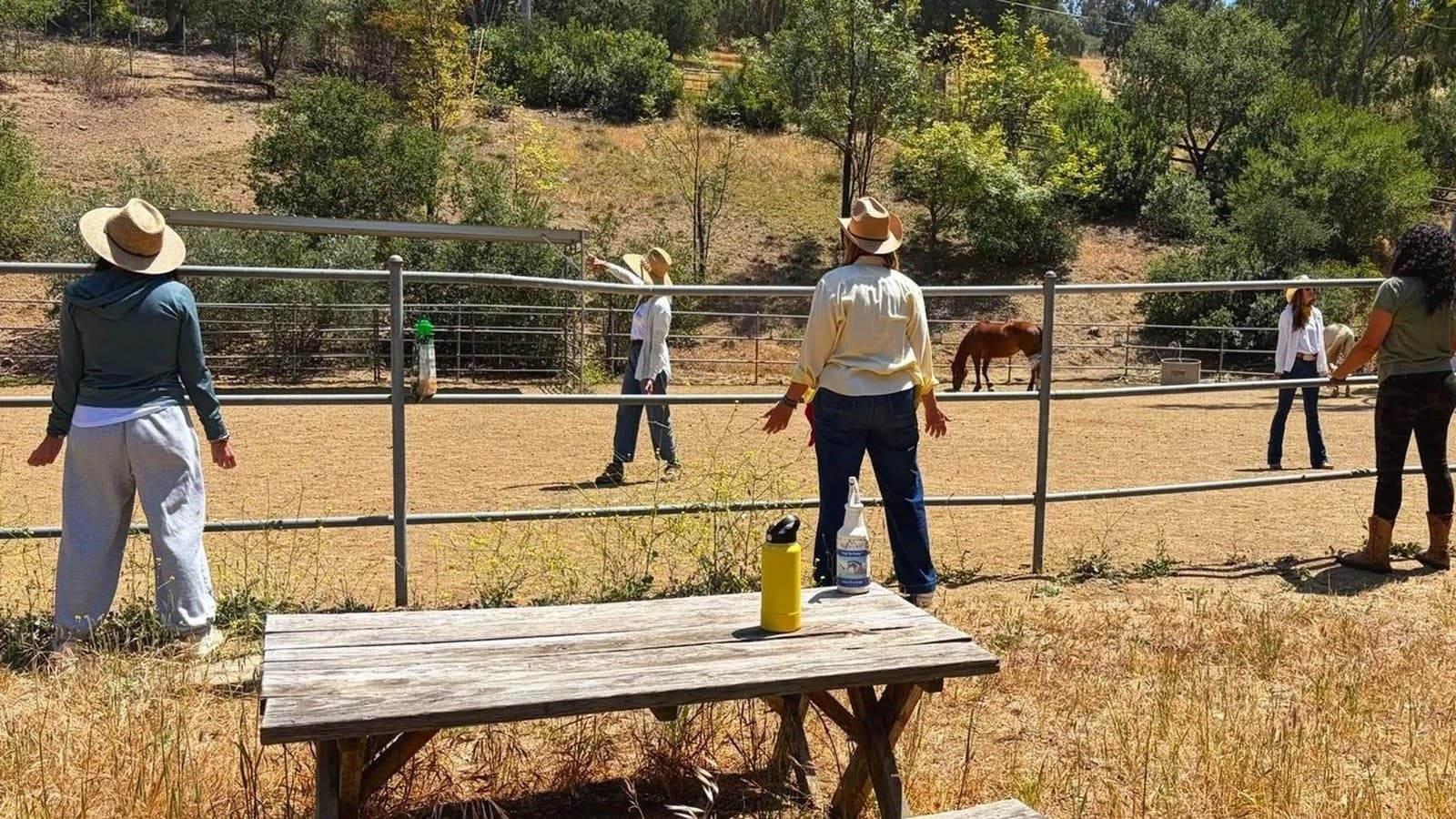
A group spread along the arena fence, arms out, a chestnut horse loose in the pen beyond

How it works

A conversation first, then a program

Nothing here is a package. The day is built from what you tell us on the phone, which is why it lands on the decision that keeps getting remade rather than on a general exercise about trust.

  1. A conversation

    We start with a call. You describe what is actually happening between your people: the decision that keeps getting remade, or the disagreement nobody in the room is willing to have.

  2. A program written for you

    Then a proposal, naming what the work is built to reach, who facilitates it and what it costs. Herd-guided experiences that help teams strengthen communication, leadership, and collaboration, thoughtfully tailored to your organization’s goals, challenges, and team dynamics.

  3. A day at the ranch

    Your team arrives at Shakti Ranch. Nobody rides and no experience with horses is assumed, because all of it happens on the ground alongside the herd, with Rose Mary reading what the horses guide us towards and translating it while it is still happening.

Arrange an introduction
Equine Therapy Malibu, established 2015

Equine-Assisted Learning
for your team

  1. You tell usThe form below. A few lines is enough.
  2. We callThirty minutes, within two days.
  3. A proposalIn writing, within a week of the call.
For
Your organization
Date

For companies

Tell us about your team and what the day needs to do. We will read it and write back with a proposal.

What you have in mind:

Before you come

What to bring for a day at the ranch

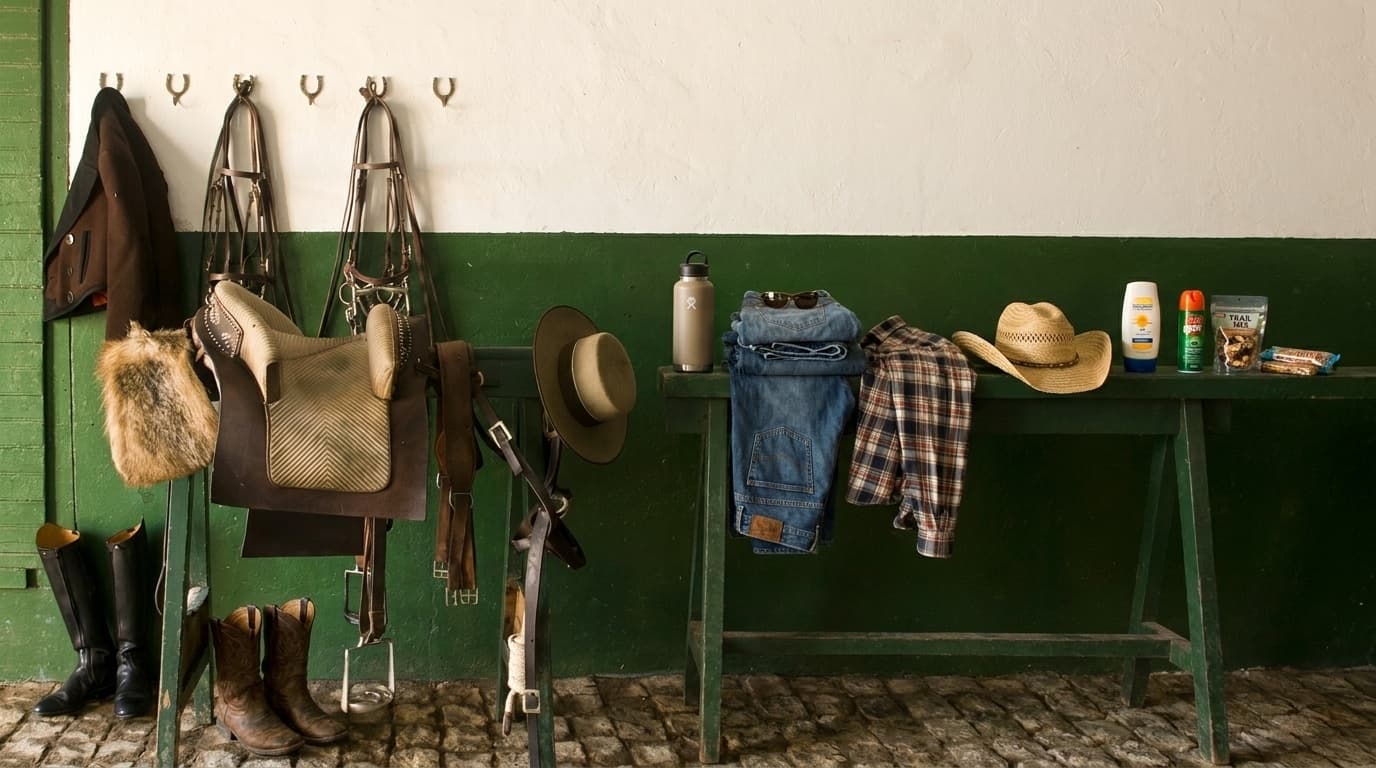
Closed-toe shoes you do not mind getting dirty, long pants, and a hat with a brim, because there is very little shade in the round pen. Bring water and a snack.

A tack room bench with boots, jeans, a flannel, a straw hat, water, sunglasses, sunscreen, bug spray and trail mix laid out, saddle and bridles hanging on the wall behind.

What people say about working with Rose Mary

TestimonialEquine Therapy Malibu 01

Rose Mary has the ability to help each person she works with to see the best in themselves and others.

Julie McAfee, Women’s Empowerment Coach

Before youwrite to us

We are a company, not a clinical group. Is this for us?

Yes, and it is a large part of what happens here. Before this, Rose Mary spent her career as a change management analyst at Accenture advising Fortune 500 companies, so the room you are coming from is one she has worked in. Corporate programs are built around your team rather than run off a shelf. Executive off-sites, leadership development and team work all sit here.

Do I need any experience with horses?

No. Most people who come here have never handled a horse, and nothing in the work assumes you have. The herd does not care what you know about them. They respond to how you carry yourself, which is a thing you already have with you.

Will I ride?

No. All of it happens on the ground, alongside the horses rather than on them. That is what makes the work legible: standing next to a twelve-hundred-pound animal, your posture and your breathing become information you can actually read.

What if I am nervous around horses?

Bring that with you. Nerves are not a problem to get past before the work starts; they are usually where it starts. Horses read tension accurately and without judgement, which means a nervous first ten minutes tends to be the most useful ten minutes of the day. Nobody is pushed toward an animal they are not ready to stand near.

Something not here? Write to us and we will answer it properly.